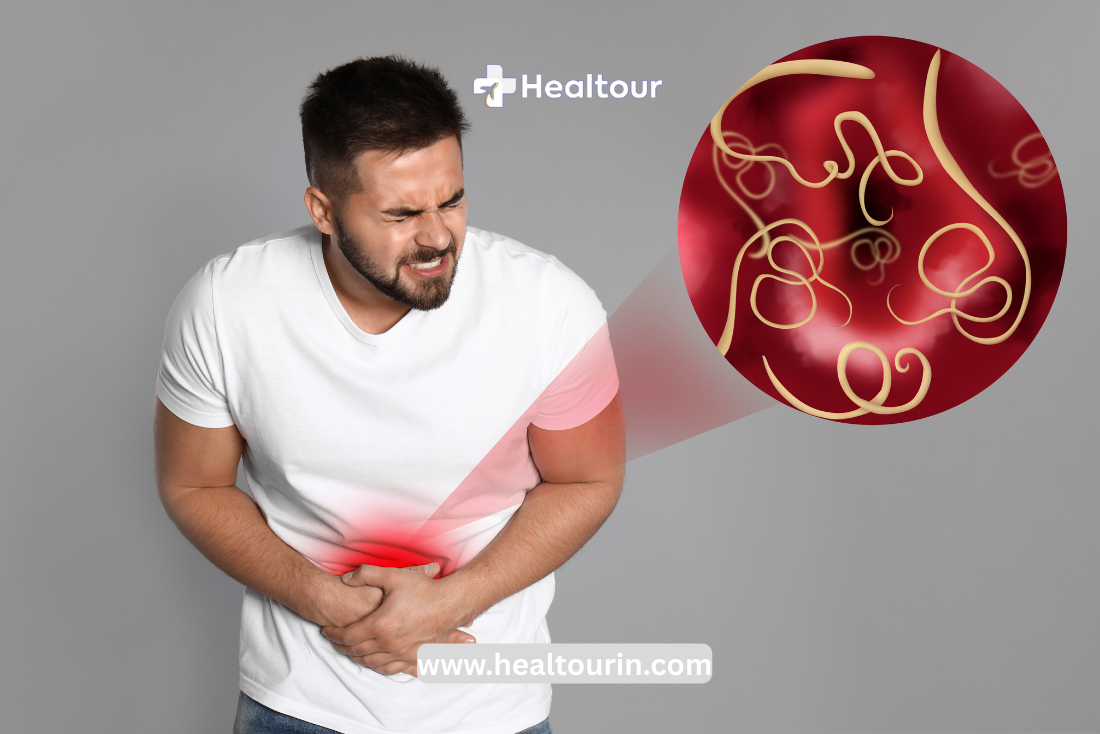
Abdominal Pain: Lower Left, Right Side & Bottom Pain Explained
Category: Blog 14-07-2025Abdominal pain:
Abdominal pain is one of the most common reasons people visit the doctor—but it’s also one of the most misunderstood symptoms. Sometimes it’s a minor issue, like bloating from last night’s dinner. Other times, it’s a red flag your body is waving to get urgent medical attention.
In this article, we’ll explore what abdominal pain really means, why the location matters (like lower abdominal pain on the left or abdominal pain at the right side), and what causes it. Whether your pain is dull, sharp, sudden, or constant, we’re here to help you understand it better—and know when to take action.
What Is Abdominal Pain?
Abdominal pain means any kind of pain or discomfort you feel in the area between your chest and your hips (belly area).
It can feel like:
- A dull or mild ache
- Cramping or twisting pain
- A sharp or stabbing feeling
- Tightness or pressure in your stomach
The pain might come and go, or it might stay for a few hours or even days. What’s most important is where the pain is, how long it lasts, and what other signs (like fever or vomiting) come with it.
Causes of Abdominal Pain:
Let’s explore both common and under-discussed causes of abdominal pain, especially those affecting the lower abdomen.
1. Digestive Triggers
Your digestive system is a frequent source of discomfort. These causes include:
Gas and bloating – Often felt in the abdominal lower area and caused by food intolerance or slow digestion
Constipation – Leads to cramping pain, often in the lower left side
Indigestion – A burning or heavy feeling, usually after eating
Food poisoning – Sudden stomach cramps, nausea, vomiting, and diarrhea
2. Urinary Tract Infection:
A UTI often causes abdominal pain on the lower left side or lower right, especially in women. You may also notice a frequent urge to urinate or a burning sensation.
3. Reproductive Health Causes:
In women:
Ovulation pain – Sharp pain on either side of the lower abdomen
Endometriosis – Causes chronic pelvic pain and inflammation
Ovarian cysts – Sudden sharp pain on one side of the abdominal lower region
In men:
Prostatitis or pelvic pain syndrome – Can cause deep lower abdominal pain, often overlooked
4. Appendicitis:
Pain that starts near your belly button and shifts to the abdominal pain bottom right side could be appendicitis. It’s urgent and needs quick medical attention.
5. Diverticulitis:
Often found in people over 40, diverticulitis causes lower abdominal pain on the left side. It occurs when small pouches in the colon become inflamed.
6. Irritable Bowel Syndrome:
IBS is a chronic condition causing abdominal cramps, bloating, constipation, or diarrhea. The pain often shifts between the lower right and lower left abdomen.
7. Kidney Stones:
If the pain radiates from the side to the groin, it might be a kidney stone—especially if you also feel nausea or see blood in urine.
8. Abdominal Wall Pain:
Not all abdominal pain comes from organs. Sometimes the muscles or nerves in the abdominal wall are the problem:
Nerve entrapment (often after surgery or injury)
Hernias in the groin or belly area
This type of pain is often missed because it mimics internal issues.
9. Abdominal Migraine:
While rare, abdominal migraines cause pain, nausea, and vomiting—without any digestive cause. They mostly affect children with a family history of migraine headaches.
10. SIBO (Small Intestinal Bacterial Overgrowth):
Often mistaken for IBS, SIBO causes persistent abdominal pain lower, especially with bloating and irregular bowel movements. It's triggered by too much bacteria in the small intestine.
What Can the Area of Abdominal Pain Tell You?
Here’s a helpful breakdown based on where the pain is felt in your belly:
| Pain Area | What It Could Mean |
| Lower abdominal pain on the left | Diverticulitis, constipation, ovulation, IBS |
| Lower abdominal pain on left side | Ovarian cysts, gas, UTI |
| Abdominal pain lower right side | Appendicitis, hernia, kidney stones |
| Abdominal pain at the right side | Gallbladder issues, gas, infection |
| Abdominal pain bottom right side | Appendicitis (urgent), ovarian pain |
| Abdominal pain on lower left side | IBS, reproductive pain, SIBO |
These pain spots often help doctors figure out what's happening inside your body. While not every case follows a textbook pattern, knowing the region of discomfort can be a big clue for your diagnosis.
When Should You Get Medical Attention?
Not all abdominal pain needs emergency care—but some definitely do. Reach out to a medical professional immediately if you experience:
Very strong or sharp stomach pain that starts suddenly
Feeling hot with fever or cold with shivers
Throwing up, especially if you see blood
Seeing blood when you go to the toilet (in poop or pee)
Your belly looks swollen or hurts a lot when you touch it
Feeling dizzy, weak, or like you might faint
Taking painkillers or abdominal pain pills without knowing the cause isn't safe. Avoid self-treating. Instead, talk to a trusted healthcare provider to find the real reason behind your pain.
How Healtour Supports You Through Your Medical Journey:
At Healtour Solutions, we understand how stressful it can be to experience abdominal pain—especially when you're far from home or unsure where to turn. That’s why we take full responsibility for your medical journey from start to finish.
Whether you need a diagnosis or advanced treatment in India, our dedicated team ensures:
Quick access to top hospitals and experienced specialists
Medical visa and travel support
Language and accommodation assistance
Transparent treatment planning with no hidden surprises
Your health is our responsibility—and we’re here to make it seamless, safe, and stress-free.
Conclusion:
Abdominal pain isn’t just “a stomach issue.” It can be a signal from your body that something important needs attention. Whether it’s a minor digestive problem or something more serious like appendicitis, diverticulitis, or a reproductive health concern, early diagnosis is key.
If you're experiencing abdominal pain lower, on the right side, or lower abdominal pain on the left, don’t delay—listen to your body and speak to a qualified doctor. Healtour Solutions is here to guide you every step of the way.
If you want to know more about other treatments like IVF treatment and its cost, you can click here.
Frequently Asked Questions:
1. What causes abdominal pain that comes and goes?
Ans: It can be due to gas, IBS, or mild indigestion. But persistent or recurring pain should always be checked by a doctor.
2. Why do I get abdominal pain on the lower right side?
Ans: It could be appendicitis, kidney stones, or reproductive issues. Don't ignore sudden pain here.
3. Is it normal to have lower abdominal pain during periods?
Ans: Yes, but severe or prolonged pain could indicate conditions like endometriosis or fibroids.
4. Can stress cause abdominal pain?
Ans: Absolutely. Stress can trigger IBS symptoms or lead to tension in abdominal muscles.
5. What does pain on the lower left side mean?
Ans:It may be linked to diverticulitis, constipation, or ovulation. If persistent, get medical advice.
6. Should I take pills for abdominal pain?
Ans:Only after a doctor’s consultation. Self-medication can mask symptoms or worsen conditions.
7. What’s the difference between bloating and abdominal pain?
Ans: Bloating is a feeling of fullness or tightness, while pain is a sharp or dull ache. They often occur together.
8. How is abdominal pain diagnosed?
Ans: Doctors may use physical exams, imaging tests (like ultrasound or CT scan), and lab work to identify the cause.
9. Can children get serious abdominal pain?
Ans: Yes. In children, sudden or severe pain could be due to appendicitis or abdominal migraines.
10. When should I worry about abdominal pain?
Ans: If it’s severe, lasts more than a few hours, or comes with fever, vomiting, or blood—see a doctor immediately.



 Get an Opinion