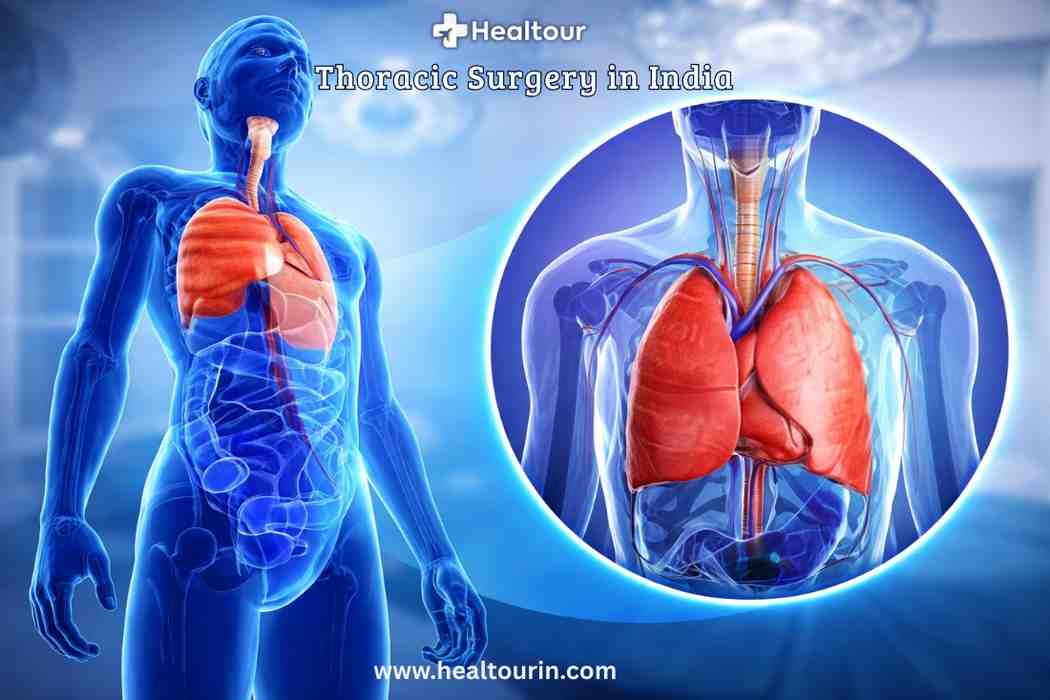
Thoracic Surgery in India: Types, Procedure, Cost & Recovery 2026
Category: Blog 05-03-2026Thoracic surgery is a type of surgery used to treat diseases of the chest. It mainly involves organs like the lungs, esophagus, trachea, diaphragm, and chest wall. Doctors perform thoracic surgery to treat serious conditions such as lung cancer, chest infections, or chest injuries.
Many patients today choose thoracic surgery in India because of advanced medical facilities and affordable treatment costs. In this guide, you will learn what thoracic surgery is, when it is needed, its types, the recovery process, and the cost of thoracic surgery in India.
What is Thoracic Surgery?
Thoracic surgery is a medical specialty that deals with surgical procedures involving organs inside the chest. This includes the lungs, esophagus, trachea, diaphragm, and other structures located in the chest cavity.
Doctors perform thoracic surgery when diseases affecting these organs cannot be treated with medicines alone. The goal of the surgery is to remove diseased tissue, repair damage, or improve the function of the affected organ.
Thoracic surgeons are specially trained to handle complex conditions involving the lungs and chest area. These surgeries may be performed using traditional open surgery or minimally invasive techniques, depending on the patient's condition.
When is Thoracic Surgery Needed?
Thoracic surgery is usually recommended when a serious condition affecting the chest organs requires surgical treatment. In many cases, early surgery can prevent the disease from spreading and improve the patient’s chances of recovery.
Some common situations where thoracic surgery may be needed include:
- Lung cancer
- Esophageal cancer
- Chest trauma or injury
- Severe lung infections
- Tumors in the chest
- Diseases affecting the diaphragm
- Collapsed lungs
- Lung nodules or abnormal growths
Doctors usually perform several tests, such as CT scans, X-rays, or biopsies, before recommending surgery. These tests help determine the exact condition and the best treatment plan for the patient.
Types of Thoracic Surgery:
Thoracic surgery includes several different procedures depending on the condition being treated. Each type of surgery focuses on a specific problem affecting the chest organs.
Lobectomy:
A lobectomy is a procedure in which a surgeon removes one lobe of the lung. The lungs are divided into sections called lobes, and removing the affected lobe can help treat diseases such as lung cancer or severe infections.
This procedure is commonly used when the disease is limited to one part of the lung.
Pneumonectomy:
A pneumonectomy involves removing an entire lung. This surgery is usually performed in severe cases of lung cancer or major lung damage where removing only a portion of the lung is not enough.
Although this is a major surgery, many patients can still live normal lives with one healthy lung.
Thoracotomy:
Thoracotomy is a traditional open chest surgery where the surgeon makes a larger incision in the chest to access the organs inside. This approach allows surgeons to perform complex procedures when minimally invasive methods are not suitable.
Thoracotomy may be used for tumor removal, lung surgery, or treatment of chest injuries.
Thoracoscopy (VATS):
Thoracoscopy, also called Video-Assisted Thoracoscopic Surgery (VATS), is a minimally invasive technique. In this procedure, surgeons use a small camera and specialized instruments inserted through tiny incisions in the chest.
VATS surgery usually results in:
- Smaller scars
- Less pain after surgery
- Faster recovery
- Shorter hospital stay
Because of these benefits, VATS has become a popular option for many thoracic procedures.
Conditions Treated with Thoracic Surgery:
Thoracic surgery is used to treat a wide range of diseases affecting the chest organs. Some of the most common conditions treated with thoracic surgery include:
Lung Cancer:
Lung cancer is one of the most common reasons for thoracic surgery. Removing the tumor or the affected part of the lung can help prevent the cancer from spreading.
Esophageal Cancer:
The esophagus is the tube that carries food from the mouth to the stomach. Thoracic surgeons may perform surgery to remove tumors or repair damaged sections of the esophagus.
Chest Injuries:
Serious chest injuries caused by accidents may require surgery to repair damaged lungs, blood vessels, or other structures inside the chest.
Lung Infections:
In rare cases, severe lung infections that do not respond to medication may require surgical removal of infected tissue.
Mediastinal Tumors:
Tumors located in the area between the lungs, called the mediastinum, may also require thoracic surgery for removal.
Modern Techniques Used in Thoracic Surgery:
Medical technology has improved significantly in recent years. Modern thoracic surgery now uses advanced techniques that make the procedure safer and recovery faster.
Video-Assisted Thoracoscopic Surgery (VATS)
VATS is one of the most widely used minimally invasive techniques today. Surgeons perform the procedure using small incisions and a tiny camera that allows them to view the inside of the chest.
Benefits of VATS include:
- Less surgical trauma
- Reduced pain
- Shorter hospital stay
- Faster return to normal activities
Robotic Thoracic Surgery
Robotic surgery is another modern approach used in some advanced hospitals. Surgeons control robotic instruments that allow extremely precise movements during the procedure.
Robotic thoracic surgery offers better accuracy and improved visualization for complex procedures.
Risks and Complications of Thoracic Surgery:
Like any major medical procedure, thoracic surgery carries some risks. However, modern surgical techniques and experienced medical teams help reduce the chances of complications.
Some possible risks include:
- Infection
- Bleeding
- Breathing problems
- Air leaks from the lung
- Pain around the surgical site
Doctors carefully monitor patients during and after surgery to manage any complications quickly.
Patients need to follow medical advice and attend follow-up visits to ensure proper recovery.
Recovery After Thoracic Surgery:
Recovery time after thoracic surgery can vary depending on the type of procedure performed and the patient’s overall health.
Most patients stay in the hospital for several days after surgery. During this time, doctors monitor breathing, manage pain, and check the healing process.
Hospital Stay:
Patients typically stay in the hospital for 4 to 7 days, although minimally invasive procedures may allow earlier discharge.
Breathing Exercises:
Doctors usually recommend breathing exercises after surgery. These exercises help expand the lungs and prevent complications such as infections.
Gradual Physical Activity:
Patients are encouraged to return to normal activities slowly. Walking and light physical activity can help improve recovery.
Full Recovery:
Complete recovery from thoracic surgery may take 4 to 8 weeks, depending on the procedure performed.
Cost of Thoracic Surgery in India:
The cost of thoracic surgery in India is significantly lower than in many Western countries. This is one of the reasons why international patients often travel to India for treatment.
On average, thoracic surgery in India may cost between $4,000 and $12,000, depending on several factors.
Factors Affecting the Cost:
The total treatment cost may vary depending on:
- Type of surgery performed
- Hospital facilities
- Surgeon’s expertise
- Length of hospital stay
- Diagnostic tests and medications
Even with modern technology and experienced surgeons, treatment in India remains more affordable compared to many developed countries.
Why Choose India for Thoracic Surgery?
India has become one of the leading destinations for medical treatment. Many patients travel to India for thoracic surgery because of the combination of advanced medical care and affordable costs.
Some key reasons include:
Experienced Surgeons:
India has highly trained thoracic surgeons who perform complex procedures regularly.
Modern Hospitals:
Many hospitals are equipped with advanced medical technology and modern operating rooms.
Affordable Treatment:
Treatment costs in India are often much lower than in countries like the United States or the United Kingdom.
Short Waiting Time:
Patients can usually schedule surgeries quickly without long waiting periods.
Plan Thoracic Surgery in India with Healtour:
International patients who want thoracic surgery in India can plan their treatment easily with the help of Healtour. It helps patients organize their medical trip and makes the whole process simple and smooth.
Healtour supports patients with treatment planning, hospital coordination, medical visa guidance, travel arrangements, and accommodation. This way, patients can focus on their treatment and recovery while the travel and other arrangements are taken care of by Healtour Solutions
Conclusion:
Thoracic surgery plays a crucial role in treating diseases affecting the chest organs, such as the lungs and esophagus. With modern surgical techniques and experienced medical teams, many complex chest conditions can now be treated successfully.
India has become a preferred destination for thoracic surgery because it offers advanced medical care at a more affordable cost. With proper diagnosis, skilled surgeons, and good post-surgery care, patients can achieve positive outcomes and improved quality of life.
Understanding the procedure, recovery process, and treatment options can help patients make informed decisions about their health.
Frequently Asked Questions (FAQs)
1. What is thoracic surgery?
Thoracic surgery is a medical procedure used to treat diseases inside the chest. It mainly focuses on organs such as the lungs, esophagus, trachea, and diaphragm.
2. When is thoracic surgery needed?
Thoracic surgery is usually recommended when conditions like lung cancer, chest tumors, severe lung infections, or chest injuries cannot be treated with medicines alone.
3. What organs are treated in thoracic surgery?
Thoracic surgery involves organs located in the chest area. These include the lungs, esophagus, trachea, diaphragm, and chest wall.
4. How long does thoracic surgery take?
The duration of thoracic surgery depends on the type of procedure. Most surgeries take around 2 to 4 hours, depending on the complexity of the condition.
5. What is VATS thoracic surgery?
VATS (Video-Assisted Thoracoscopic Surgery) is a minimally invasive procedure that uses a small camera and surgical instruments inserted through small cuts in the chest.
6. How long is the recovery after thoracic surgery?
Recovery time varies depending on the procedure performed. Many patients recover within 4 to 8 weeks, although minimally invasive surgeries may allow faster recovery.
7. Is thoracic surgery risky?
Like any major surgery, thoracic surgery has some risks, such as infection or bleeding. However, experienced surgeons and modern technology help reduce these risks.
8. What is the cost of thoracic surgery in India?
The cost of thoracic surgery in India usually ranges between $4,000 and $12,000, depending on the type of surgery and hospital facilities.
9. Why do international patients choose India for thoracic surgery?
Many patients choose India because of experienced surgeons, advanced hospitals, affordable treatment costs, and shorter waiting times.
10. How can international patients plan thoracic surgery in India?
International patients can plan treatment with medical travel services like Healtour, which help with hospital coordination, travel arrangements, and medical visa assistance.



 Get an Opinion